KCS Article
Technique 1.1: Capture Knowledge in the Moment (Exam Only)
- Technique 1.1: Capture Knowledge in the Moment
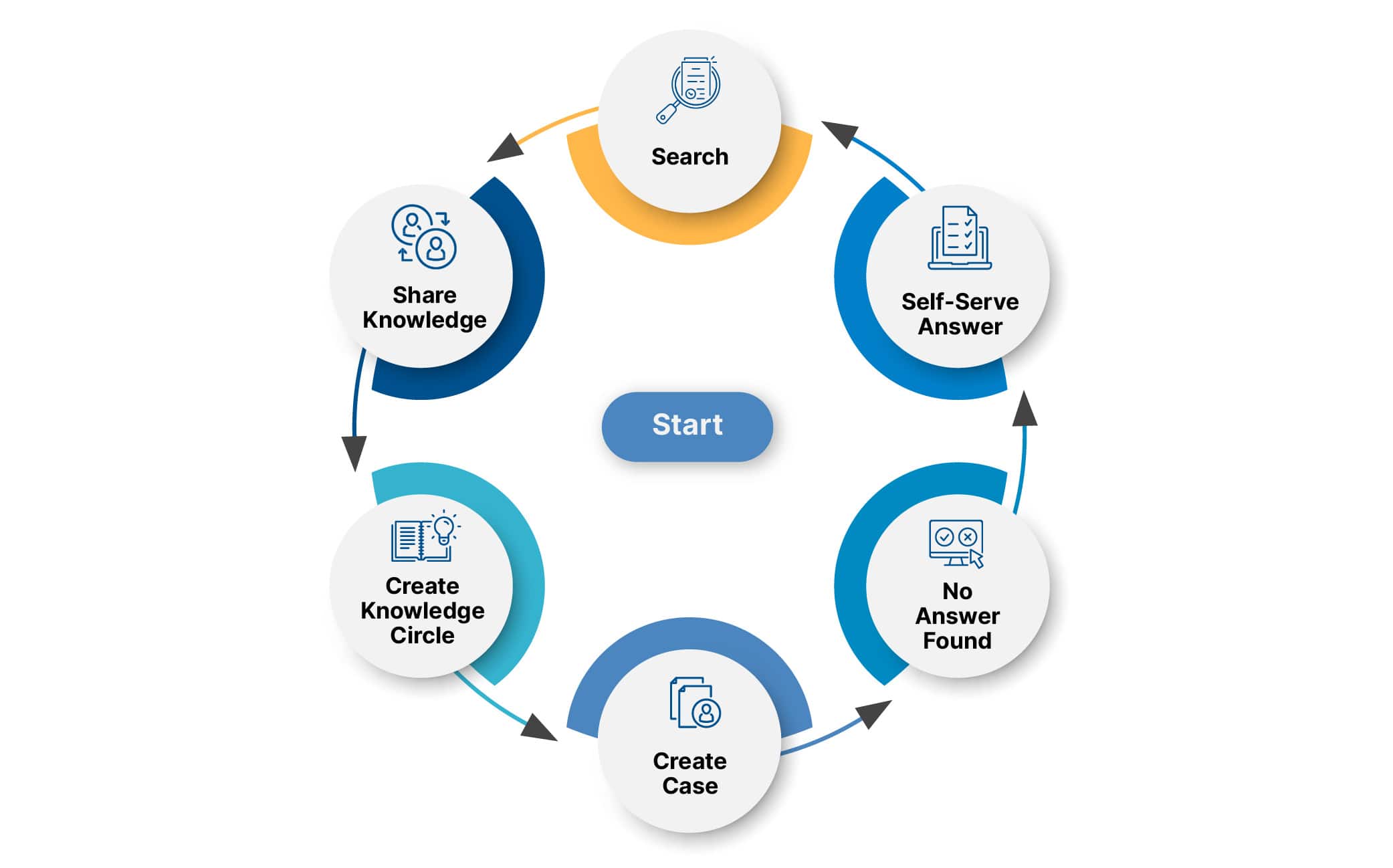
- Knowledge is created during issue resolution
- Knowledge creation is part of the Solve Loop
- Articles are visible immediately, even if incomplete
- Knowledge is a by-product of interaction
❌ Creating articles after resolution = NOT KCS
Key Concepts
- Search early, search often
- Searching is part of capture
- Prevents duplicate work
Context vs Content
- Context is as important as content
- Context can only be captured in the moment
- After-the-fact documentation loses context
- Once the answer is known, true problem framing is lost
Why Capture in the Moment
- Tacit knowledge becomes explicit during conversation
- Problem solving is creative and situational
- Clarifying questions improve accuracy
- Early capture improves findability and usability
Exam Traps
- Knowledge engineering = NOT KCS
- Writing later from memory = NOT KCS
- Perfect articles upfront = NOT KCS
Technique 1.2: Capture the Requestor's Context (Exam Only)
- Technique 1.2: Capture the Requestor's Context
- Capture the requestor's experience before resolving
- Use the requestor's words and phrases
- Context = perception + environment
- Improves article findability and relevance
What Context Means
- How the issue appears to the requestor
- May be technically incorrect
- Technical accuracy NOT required in problem statement
- Technical accuracy REQUIRED in environment, resolution, cause
Why Capture Requestor Context
- Helps others find articles using similar language
- Incorrect perceptions are still valuable
- Frames articles for reuse and improvement
Every Search Has Value
- Search terms = requestor context
- Capture:
- Search strings
- Articles viewed
- Self-service activity
- Prevents dead ends for users
Self-Service and KCS
- Capture self-service searches
- Shows user effort was not wasted
- Speeds up assisted resolution
- Search terms improve or create articles
Reuse and Improvement
- If article exists → improve findability
- If article not findable → update using requestor context
- Reuse drives quality and visibility
Exam Traps
- Correcting requestor wording is NOT required
- Ignoring search activity = NOT KCS
- Expert-only language hurts findability
Technique 1.3: Searching is Creating
Capture Relevant Content (Exam Only)
- Capture only relevant information
- Goal: findable and usable articles
- Avoid long or redundant details
- Relevance requires responder judgment
Relevant Content Includes
- Requestor's words and phrases (even if inaccurate)
- Environment statements relevant to the issue
- Environment must be true before and after resolution
- Distinguishing characteristics (often environment)
- Diagnostic process (link if complex)
- Resolution that fully solves the issue
Work in Progress (WIP) Articles
- Capture content before resolution
- Save article even without a solution
- Review relevance before WIP → Validated / Not Validated
- Remove environment details that proved irrelevant
Good Enough Rule
- Article does not need all scenarios
- Share what is known now
- Articles evolve through reuse
- Waiting for perfection = NOT KCS
Search Words = Candidate Knowledge
- Search terms capture requestor context
- Used to improve existing articles
- Used to create new articles
- Frame issue and environment
Why Save WIP Articles?
- Shows issue is already reported
- Allows linking other cases
- Speeds resolution
- Captures collective experience