KCS Core Concepts
Why KCS?
Value of KCS
- Captures and reuses collective experience
- Delivers value to:
- The business
- Customers
- Knowledge workers
- Breaks limits of traditional knowledge management
- Collective knowledge > individual knowledge
Benefits of KCS
1. Operational Efficiency
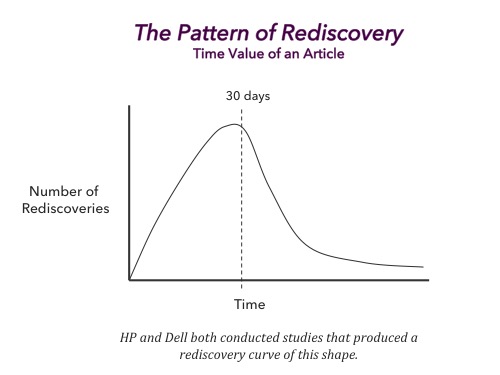
- Knowledge integrated into daily workflow
- Work includes:
- Reusing existing knowledge
- Improving knowledge
- Creating knowledge if missing
- Results:
- Reduced rework
- Increased capacity
- Faster onboarding
- Collective experience is more accurate than individual knowledge
2. Self-Service Success
- Knowledge created in context of demand
- Knowledge is:
- Findable
- Usable
- Enables users to solve issues independently
- Reduces dependency on finding "who knows"
- Frees experts for new challenges
3. Organizational Learning and Improvement
- Reuse patterns reveal:
- Process issues
- Policy gaps
- Product problems
- Enables:
- Root cause analysis
- High-impact improvements
- Improves productivity of those served
Aggregate Business Impact
- Lower operating cost per customer
- Higher productivity
- Better service outcomes with same or fewer resources
Organization as a Network
- Shifts organization from hierarchy to network
- Network connects:
- People to content (known issues)
- People to people (new issues)
- More agile than siloed structures
Why Organizations Adopt KCS
- Need to scale capabilities
- Limited staffing and budgets
- Increasing demand for knowledge
Exam Traps
- KCS is just documentation ❌
- KCS benefits only support ❌
- Tools create value ❌
- Individual expertise > collective knowledge ❌
Technique 6.2: Seamless Technology Integration (Exam Only)
Role of Technology in KCS
- Technology is a critical enabler of KCS
- Enables collaboration across people, time, and location
- Supports scaling KCS practices
- Tools enable KCS, but do not create value by themselves
KCS-Enabled Technology
- Many tools can enable KCS
- KCS Verified tools support core KCS behaviors
- Technology supports capture, reuse, and improvement
Capabilities of KCS-Verified Tools
Knowledge and Search
- Article object with search
- Separate problem vs environment content
- Granular search (problem ↔ problem, environment ↔ environment)
- Preserve search arguments for article creation
Article and Incident Management
- Link incidents ↔ articles
- Support article states and audiences
- Modify articles during reuse (license-based)
- Create articles from incident records
Metrics
- Reporting on reuse and linking
Integrated Workflow (Concept)
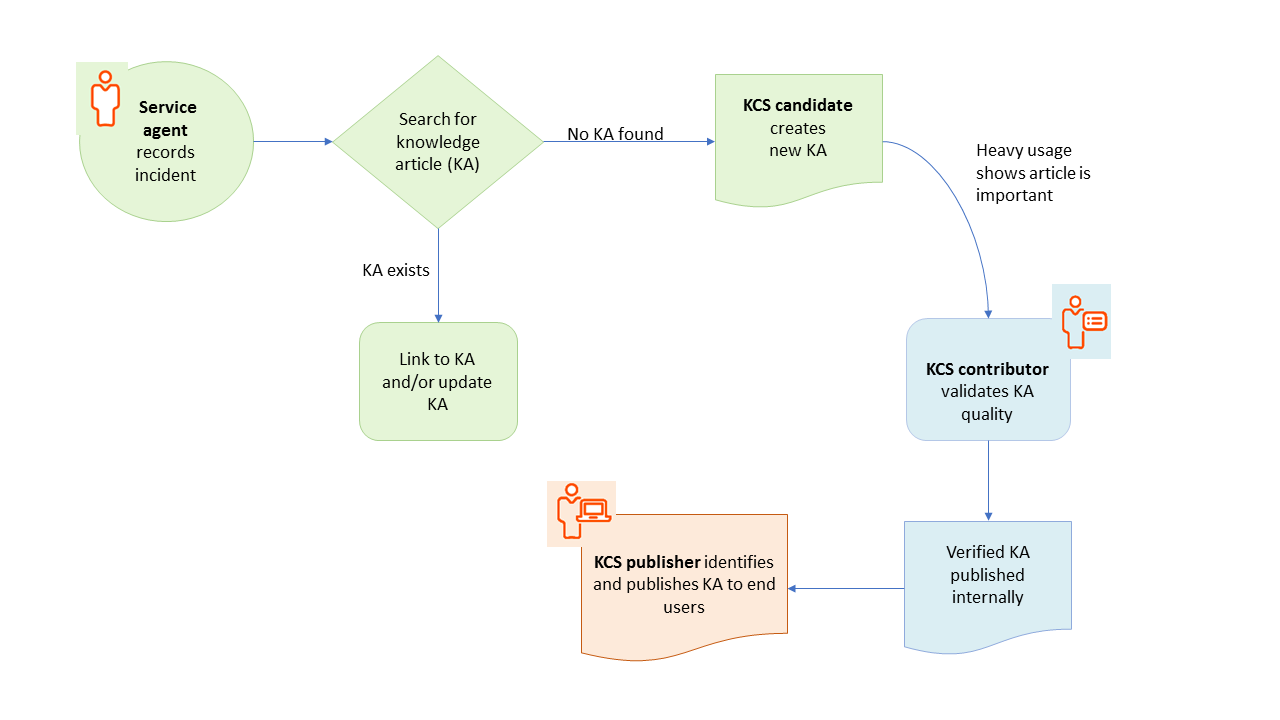
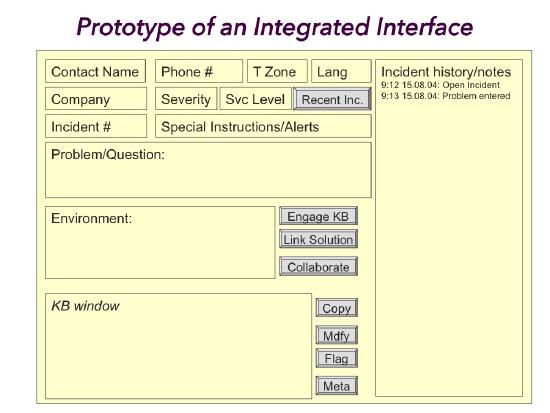
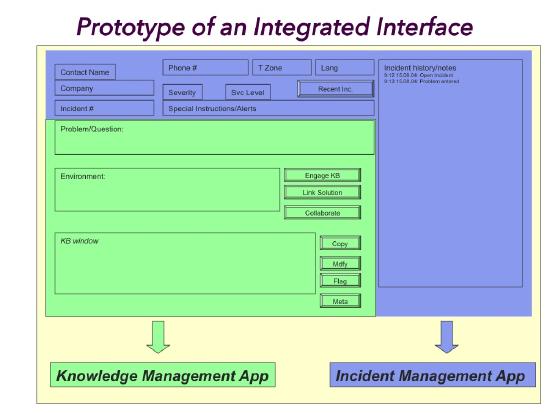
- Single workflow for case handling and knowledge use
- Closed incidents capture a snapshot of the article
- Articles continue to evolve after closure
Start Small, Improve Continuously
- Tight integration is NOT required to start
- Many succeed with minimal integration
- Sustainability requires continuous improvement
- Coaches and KDEs guide integration evolution
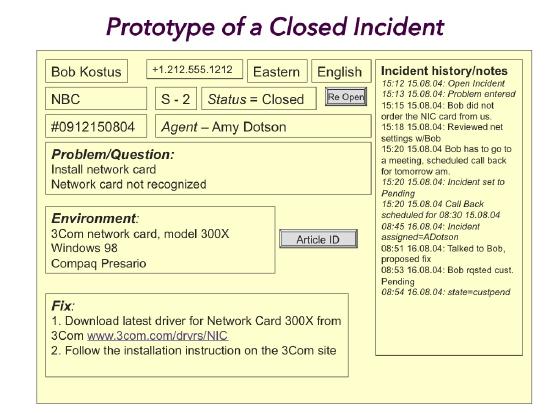
Workflow Design Considerations
The workflow below shows how an individual resolution might unfold.
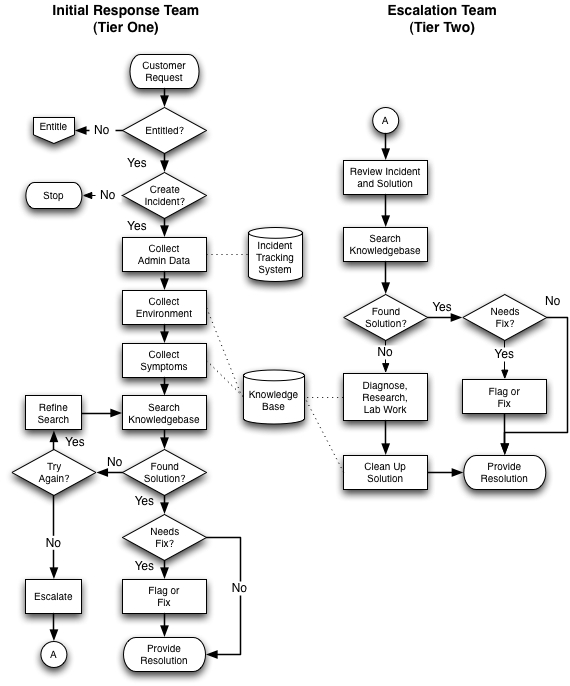
Complexity vs Volume
- High complexity / low volume → frequent KB use
- Low complexity / high volume → quick resolution, minimal searching
Quick Click / Favorites
- One-click reuse for common issues
- Increments article use count
- Feeds Evolve Loop pattern analysis
- Can notify responders of new info
Design Criteria (Key Themes)
- Eliminate separate tools
- Minimize context switching
- Make right behavior easy
- Avoid duplicate data entry
- Support problem-solving flow
Behavior Change Factors
- Tools
- Measures
- Recognition
- Understanding (WIIFM)
- Coaching
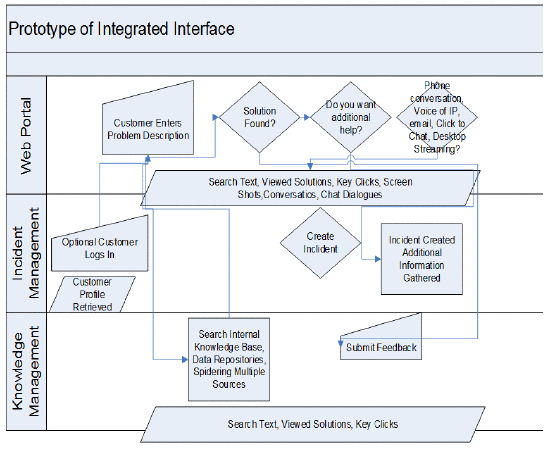
Self-Service Integration
- Deliver articles directly to users
- Self-service workflow differs from assisted support
- Enable smooth transition to assisted path
No Dead Ends
- Easy move from self-service → assisted support
- Preserve search terms and viewed articles
-
Use click-to-chat / click-to-submit
-
Self Service path feeds assisted support knowledge base
The Solve Loop (KCS Core Concept – Exam Only)
Solve Loop vs Evolve Loop
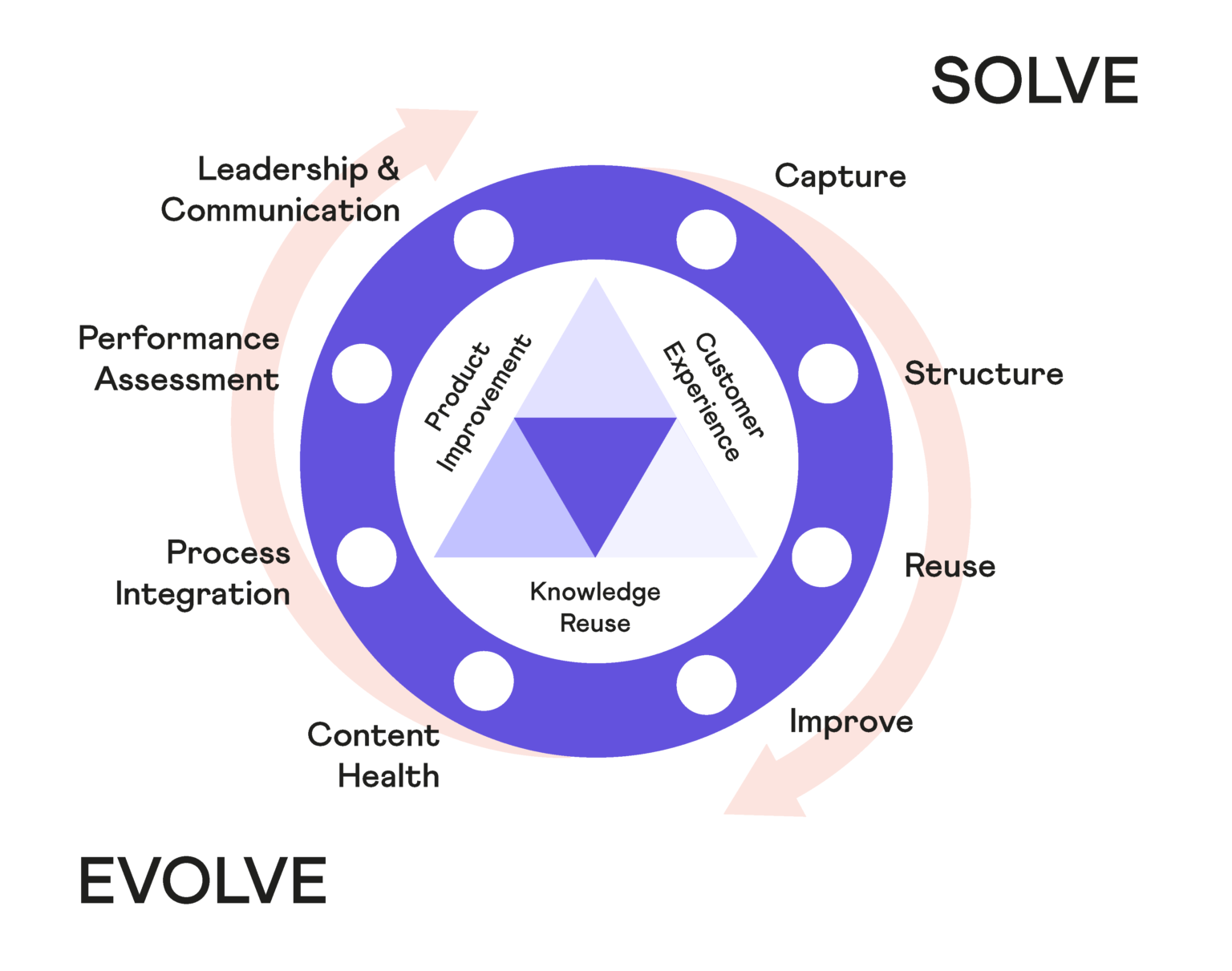
- Solve Loop = request–response work
- Evolve Loop = organizational learning
- Loops are interdependent
- Evolve Loop depends on correct Solve Loop behavior
Purpose of the Solve Loop
- Resolve requests efficiently
- Capture resolution experience
- Build collective memory
- Reduce rework
Characteristics of the Solve Loop
- Structured request–response workflow
- Light structure improves speed
- Too much structure is disruptive
- Knowledge base use improves accuracy
KCS Double Loop System
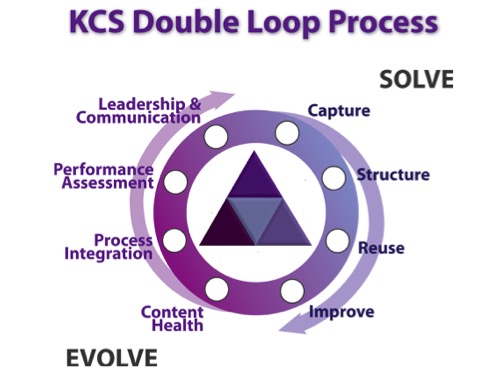
- Self-correcting system
- Patterns emerge from many correct actions
- Drives business improvement
Knowledge Practices in the Solve Loop
Capture
- Capture in the workflow
- Capture requestor context and responder knowledge
- Tacit knowledge becomes explicit
Structure
- Structure for reuse
- Simple templates and consistent format
- Faster identification of relevant knowledge
Reuse
- Search is part of solving
- Search early, search often
- Prevents duplicate work and articles
Improve
- Reuse is review
- Fix if confident and licensed
- Flag if not
- Shared ownership improves quality
Shift in Values
Traditional Model
- Individual focus
- Competition
- Hero culture
- Valued for what you know
KCS Model
- Collaboration
- Sharing
- Improvement
- Valued for ability to learn and help others learn
Performance Implications
- New assessment models required
- Measure collaboration and contribution
- Not individual heroics